



















Our Skeleton Movements
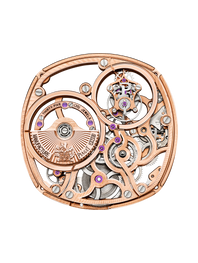
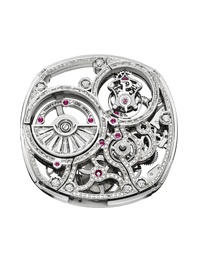
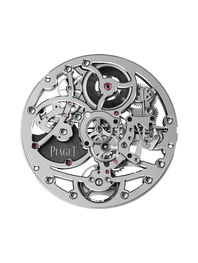
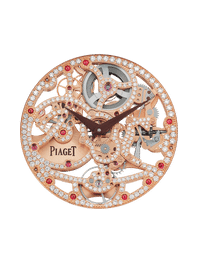
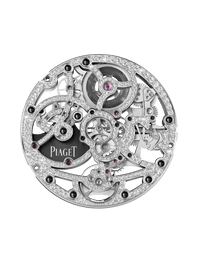
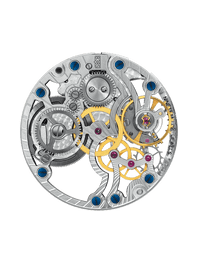
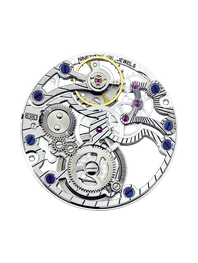
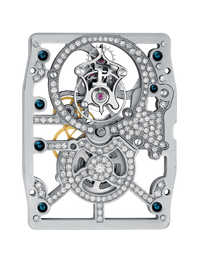
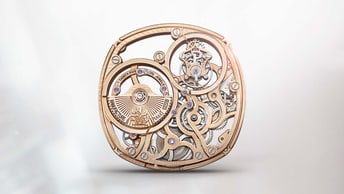
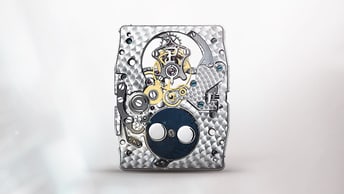
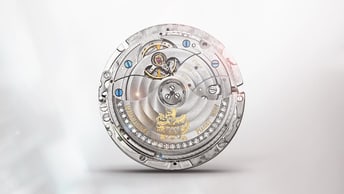
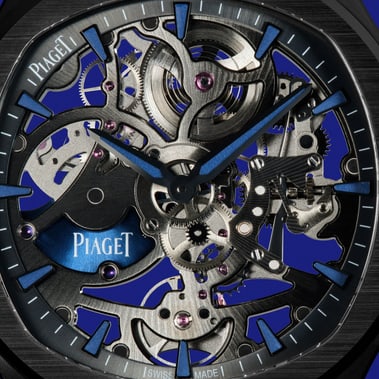
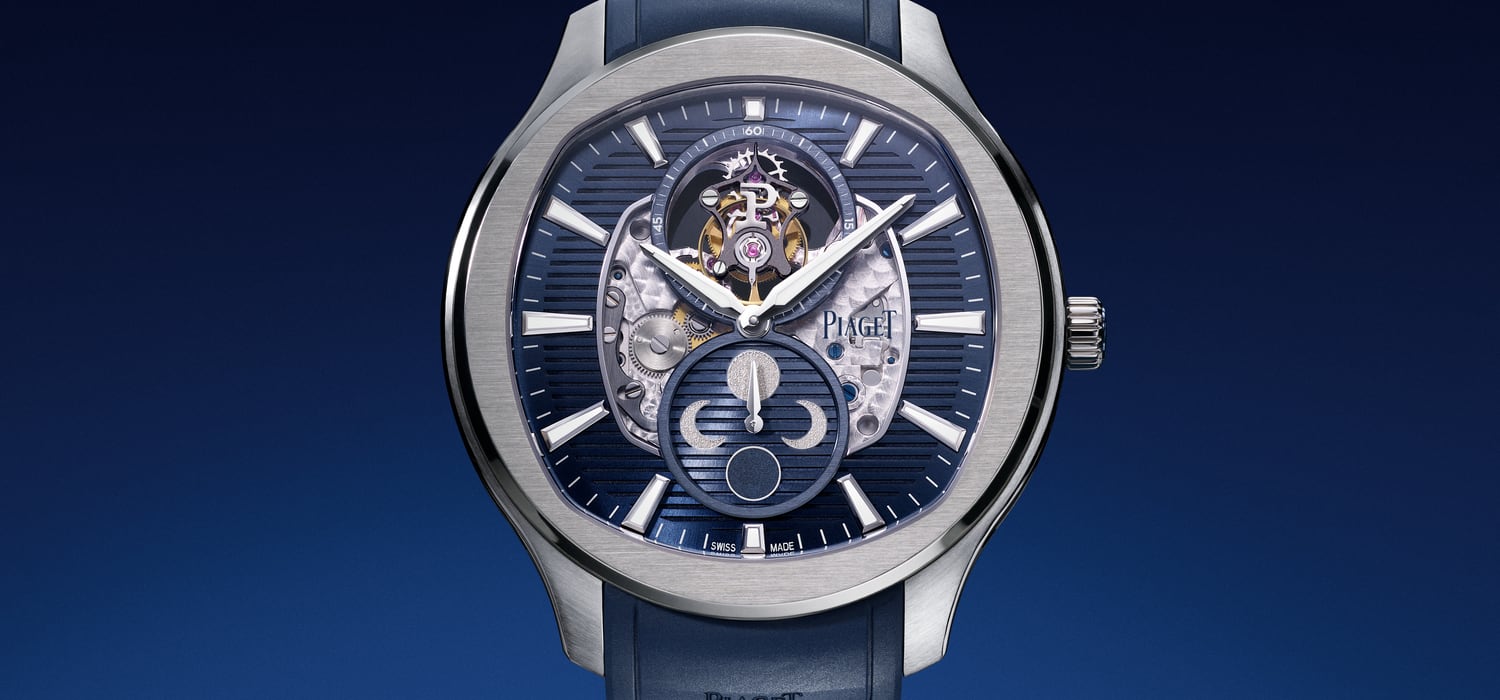
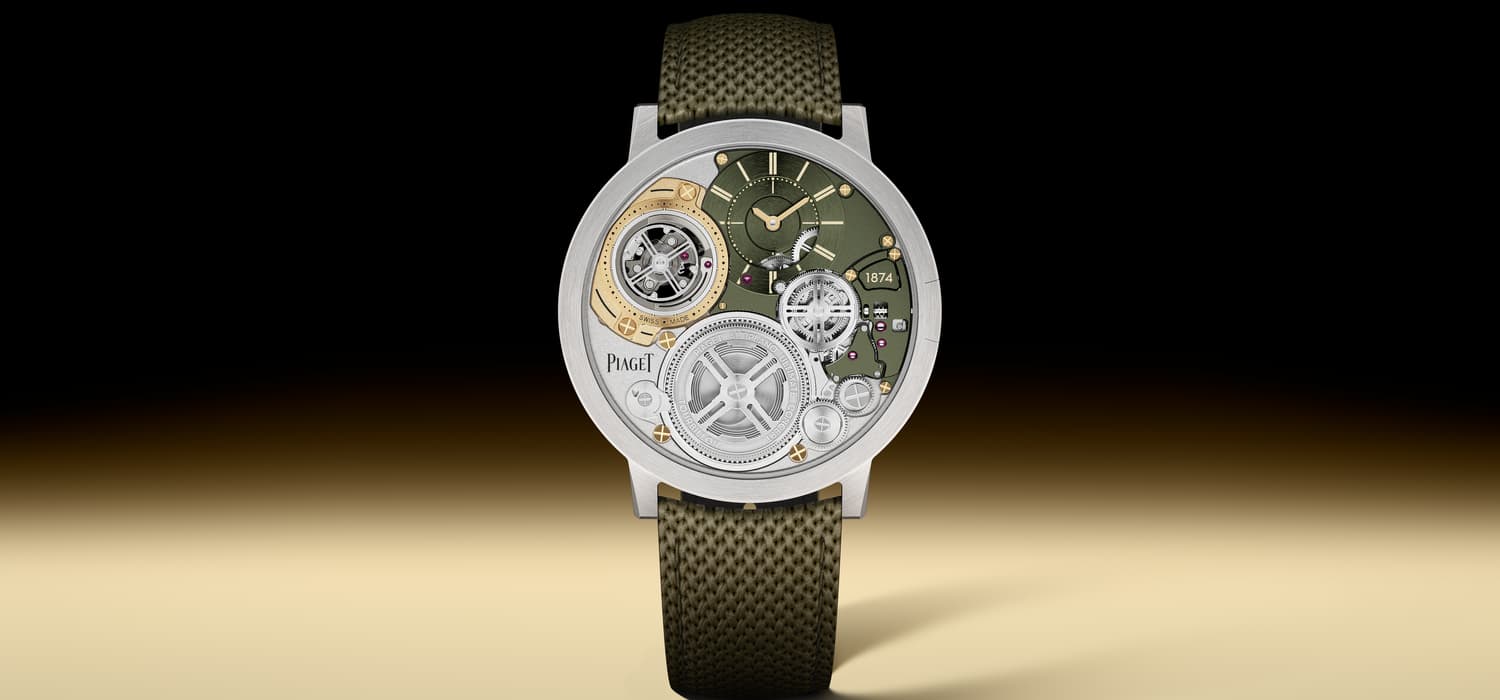
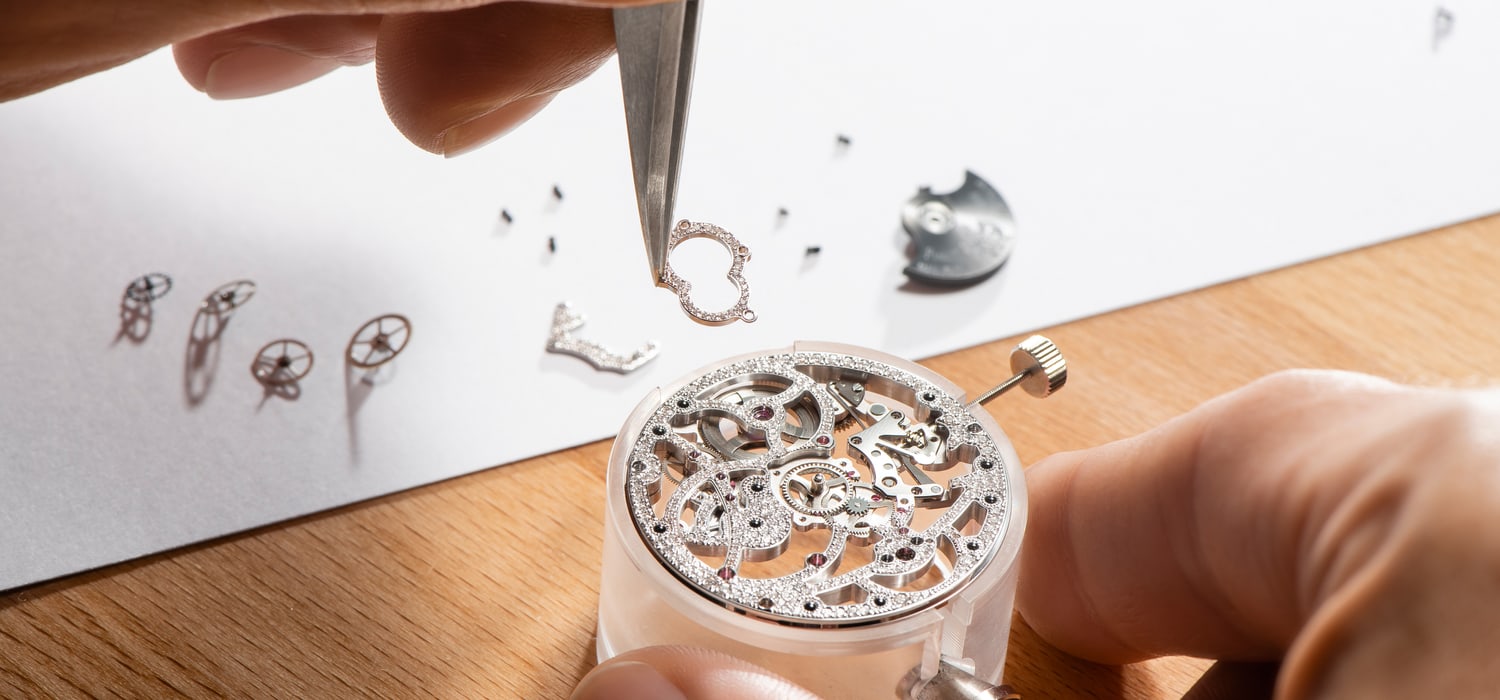
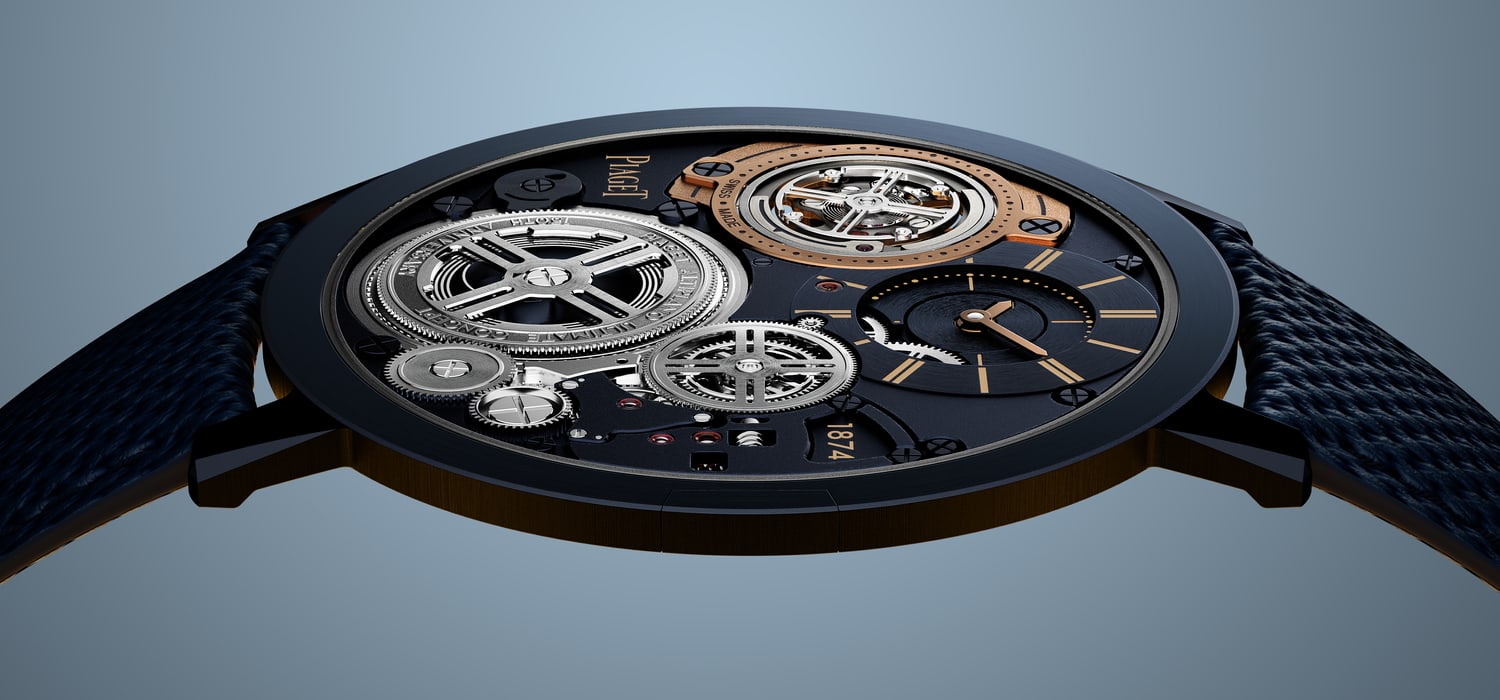
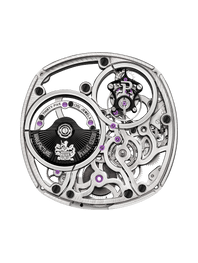
Building a skeleton mechanism is a complex technical challenge that the immense savoir-faire of Piaget craftsmen is perfectly suited for. With this mastery, they were able to produce the 1200D gem-set skeleton which is both incredibly detailed and thin. Among their other creations are the 838S skeleton, 838D gem-set skeleton, 600S skeleton, 600D gem-set skeleton, and 1200S skeleton movements.
Movements
-
Ultra-thin movements
-
Skeleton movements
-
Movements with small complications
-
Movements with major complications
-
Self-winding mechanical movements
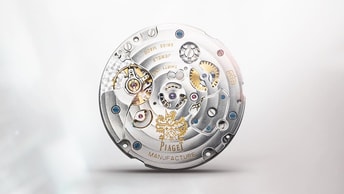
Openwork mechanisms – a play on transparency
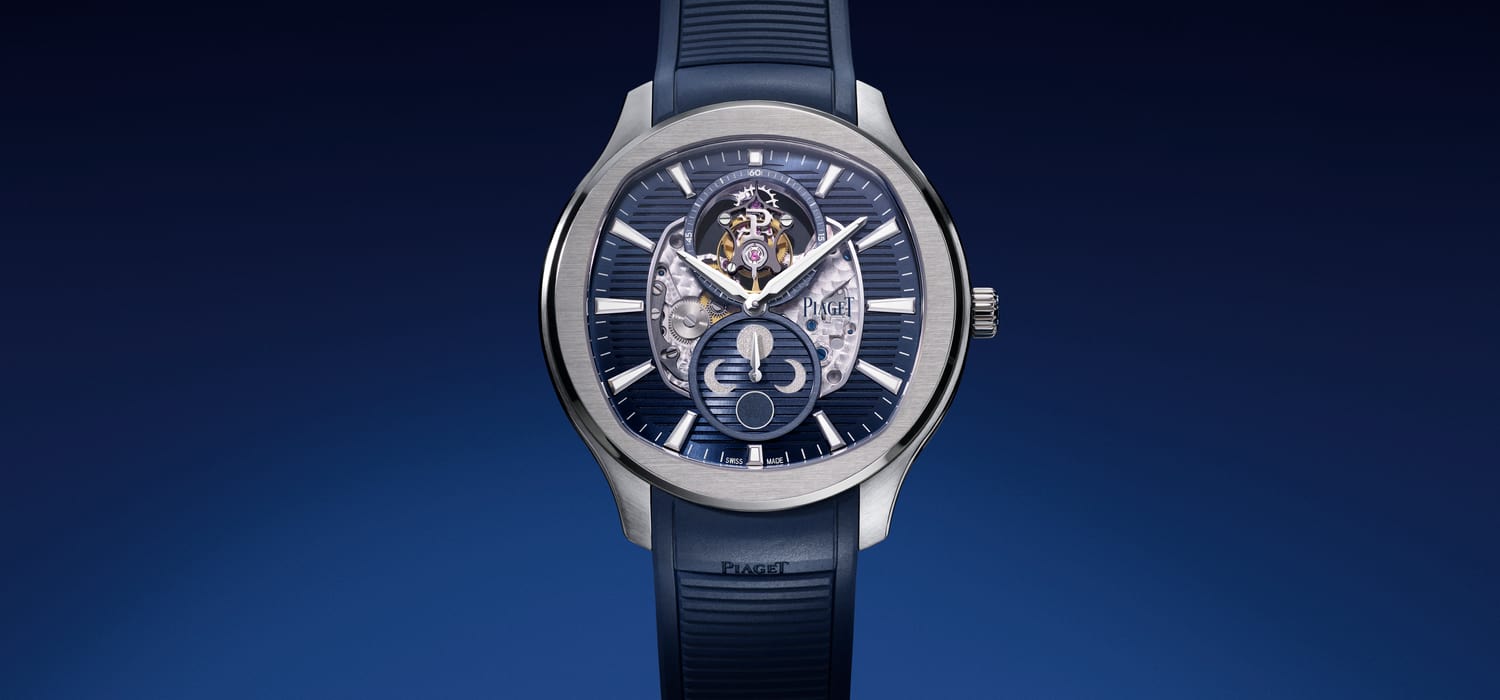
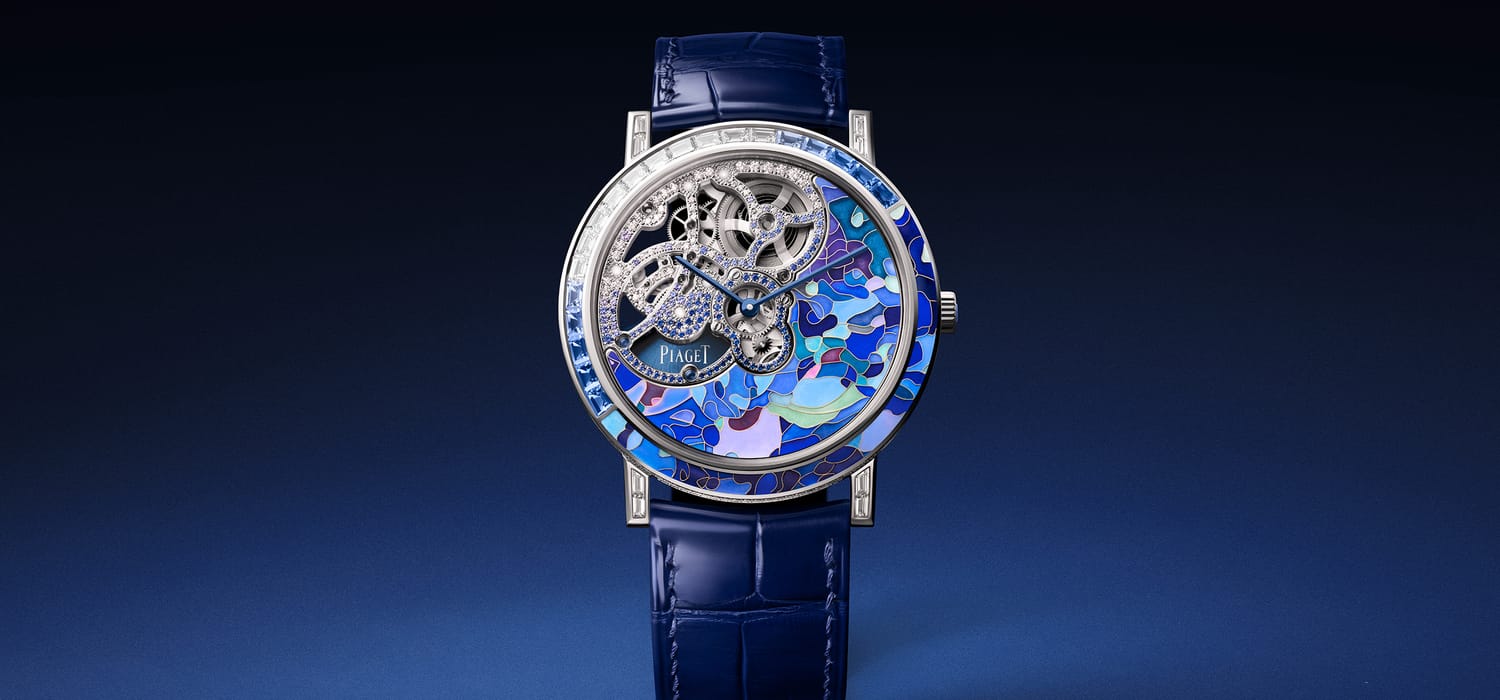
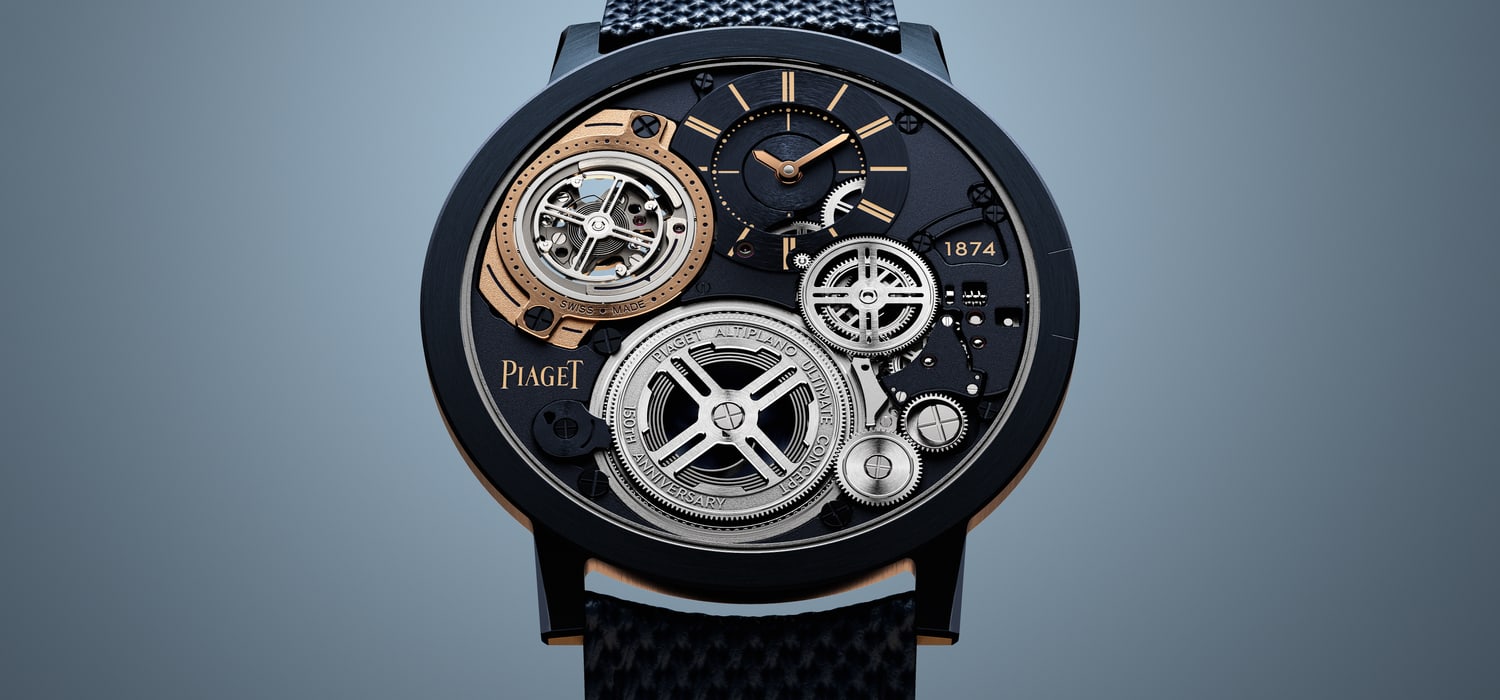
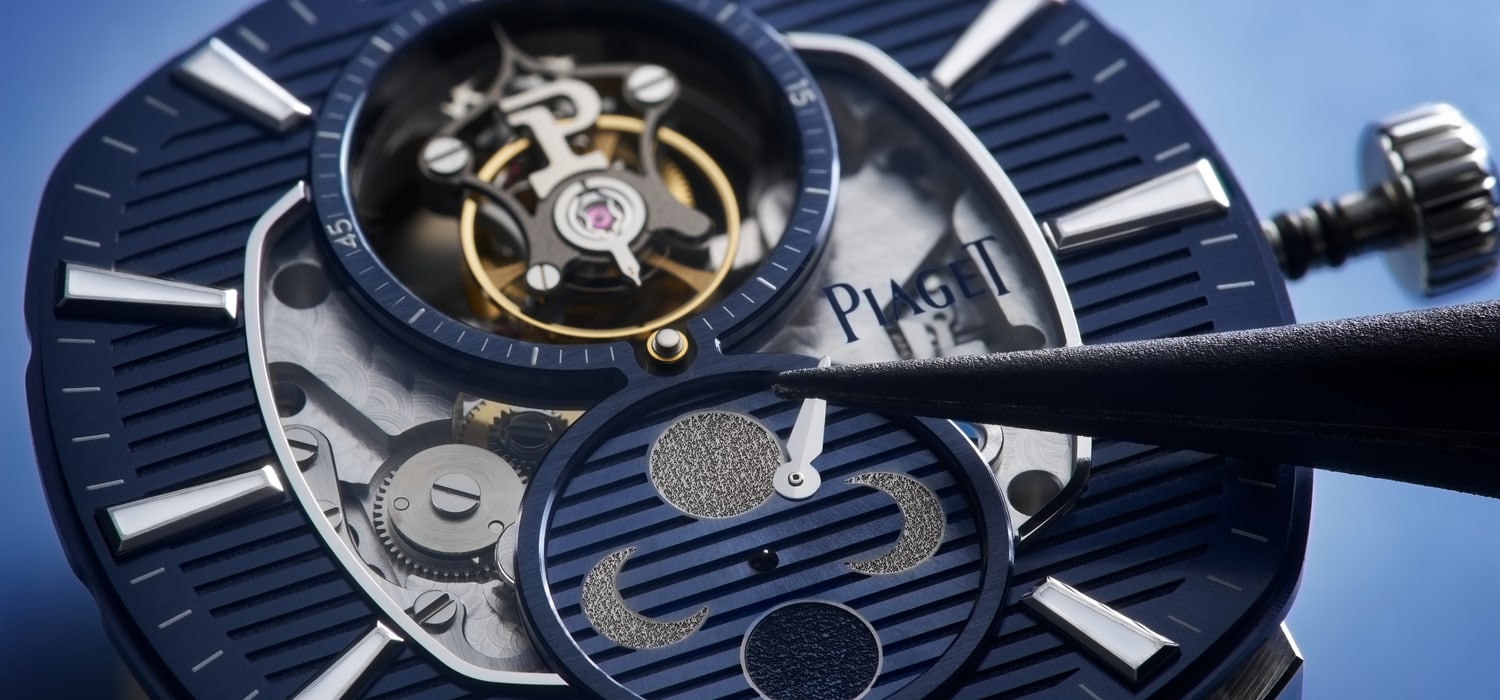
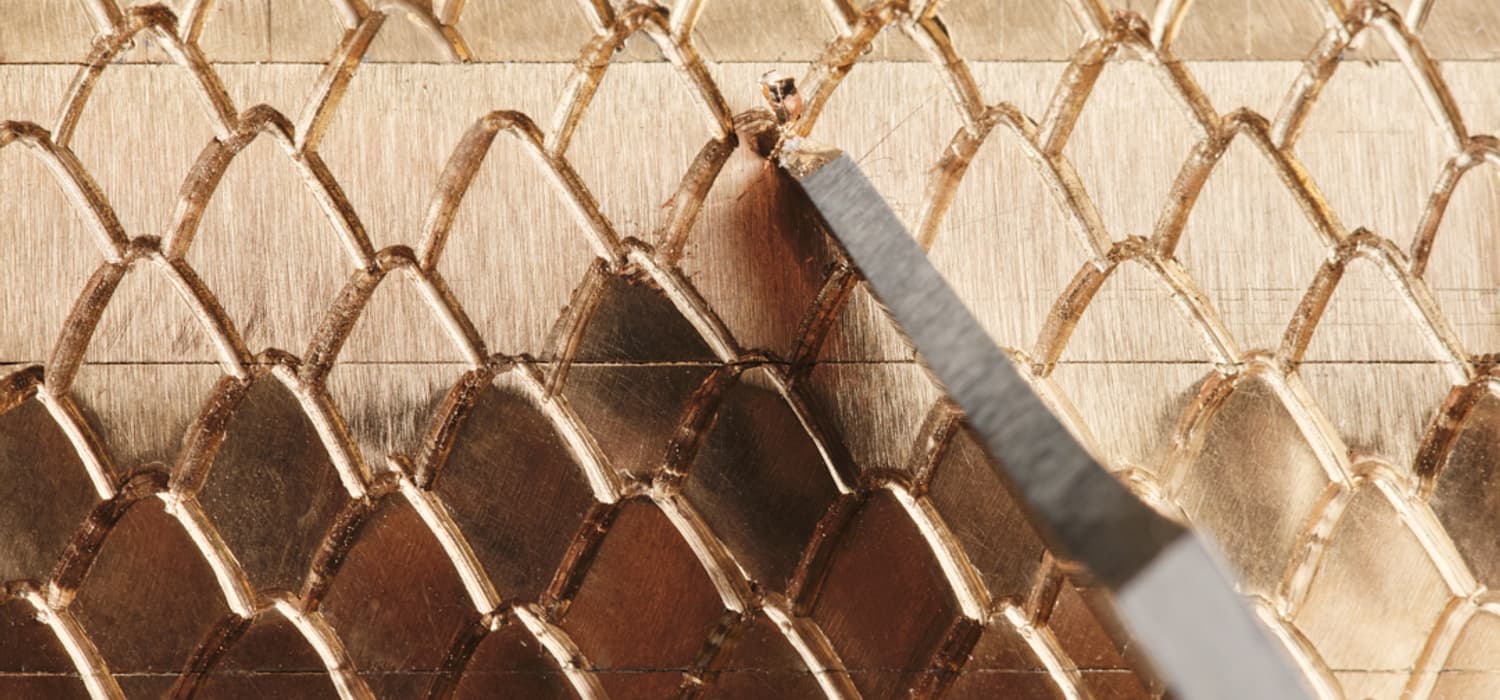
The magic of a skeleton watch only emerges after several dozen hours of intricate craftsmanship by an engraver, who painstakingly hollows out the metal with a tiny chisel to obtain the skeleton movement’s delicate balance between gossamer-fine esthetics and perfect functionality. The extremely fine components of ultra-thin movements make them even more difficult to work. Piaget’s Manufacture has excelled in this extremely demanding art for almost half a century now, through the collaboration of its master artisans, engravers and watchmakers. Their deft hands have given life to magnificent ultra-thin skeleton watches over the years, many of which broke records for thinness while showcasing different complications.
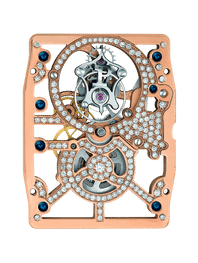
Piaget’s passion to innovate drives it to ceaselessly push forward the limits of skeleton watches, setting the bar higher every time in the realm of luxury watchmaking. Its extraordinary creative ambition led to launch of the astonishing ultra-thin diamond-set skeleton tourbillon movement in 2005, Piaget 600D. Not content to rest on its laurels, the Manufacture went on to new heights nine years later with the spectacular ultra-thin diamond-set skeleton tourbillon, Piaget 1270D, first-ever skeleton movement to be set on the bridge, on the main plate and on the sides with brilliant-cut and baguette diamonds.