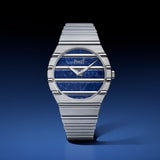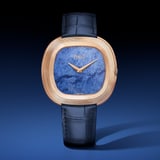









Swinging sautoirs & cuff watches

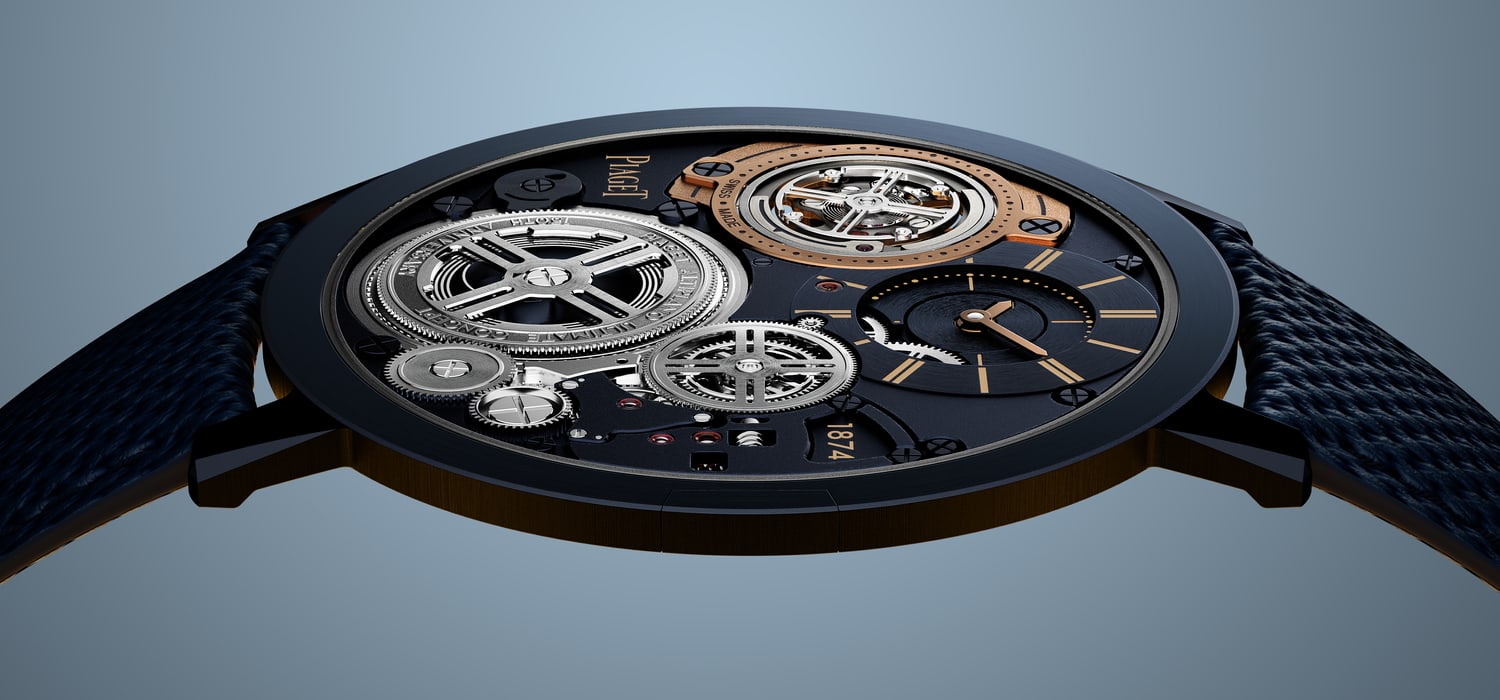
To understand the evolution of Piaget’s most precious High Jewellery timepieces, one must go back to 1957, with the birth of its ultra-thin 9P hand-wound mechanical movement.

The now famous movement was revolutionary, but the decision to house it only in precious metals would set the Maison on course to be true masters of Haute Horlogerie and Haute Joaillerie at the same time.
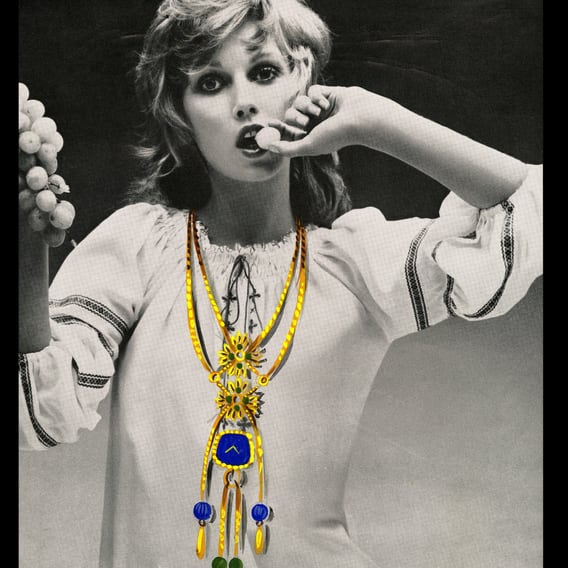
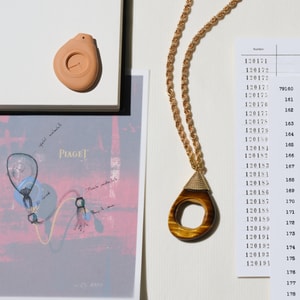
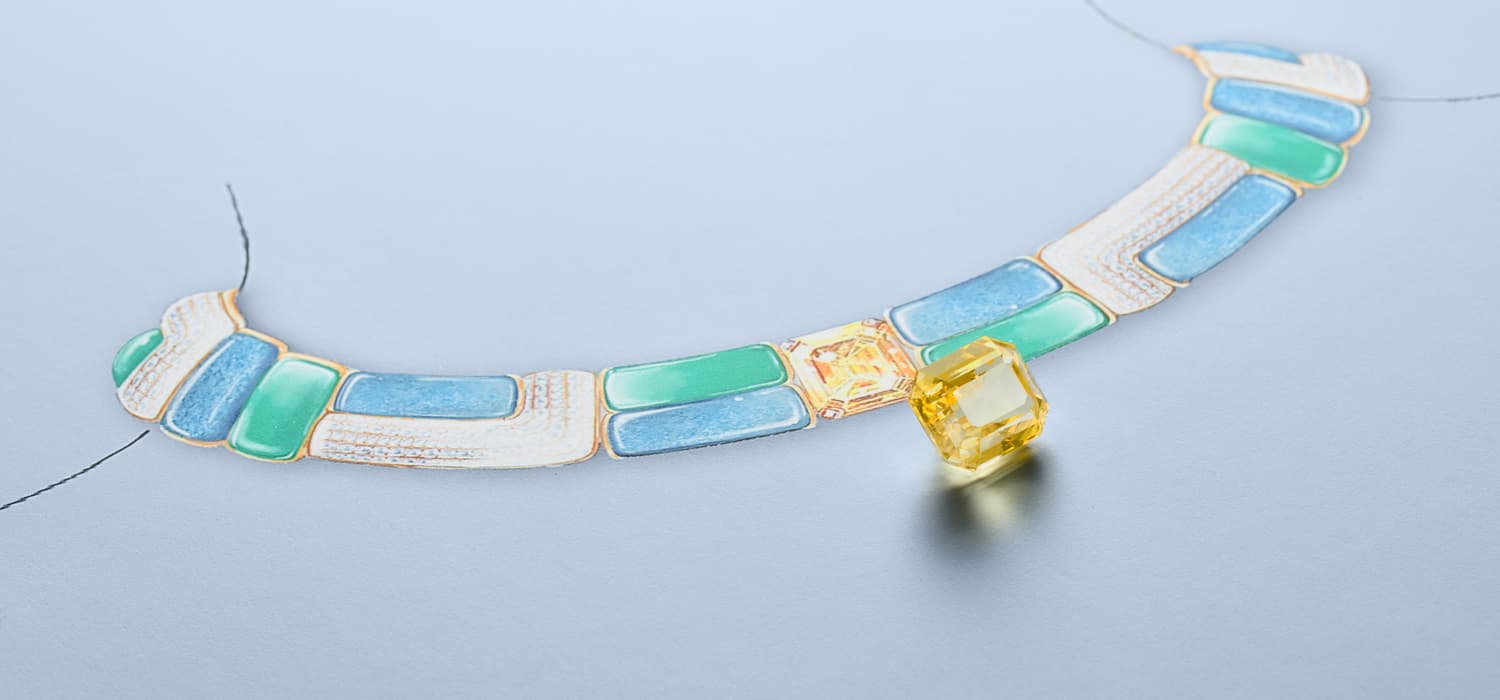
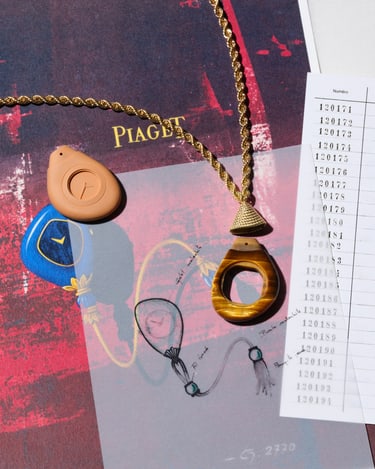
In the late 1960s, Valentin Piaget established Piaget's own creative studio, employing designers who possessed backgrounds in jewellery rather than in watchmaking. The designers were encouraged to travel to Paris and draw inspiration from the latest couture fashion shows, drawing their designs directly on the pictures inside fashion magazines.

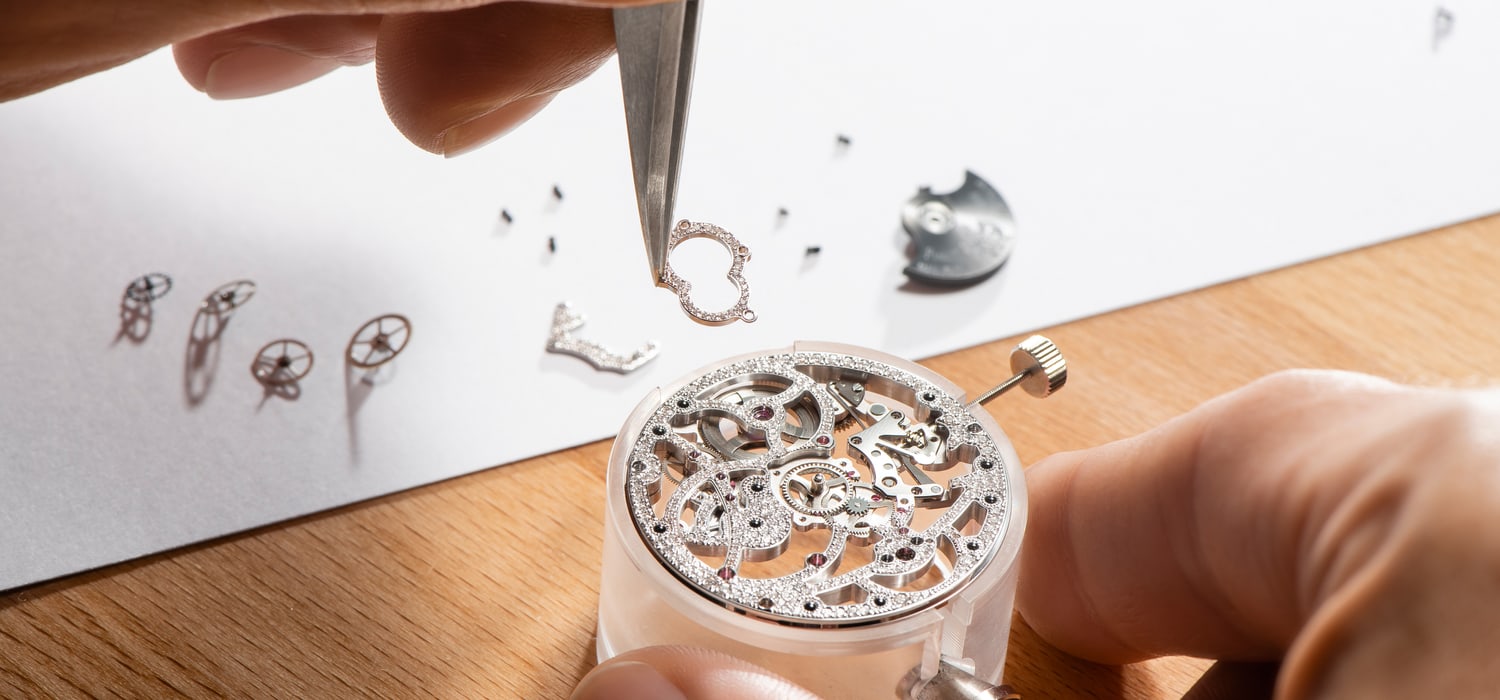
Building on the Maison's in-house teams of goldsmiths, jewellers and engravers, and its own gold foundry in Geneva, the maison's vision on jewellery watches unfolded.

SWINGING SAUTOIRS
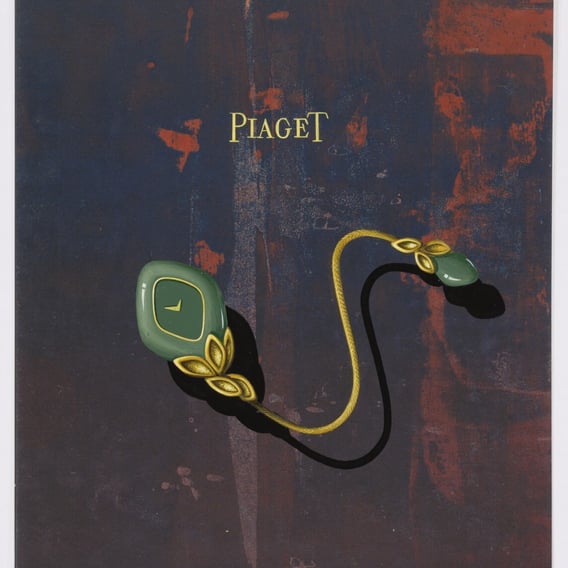
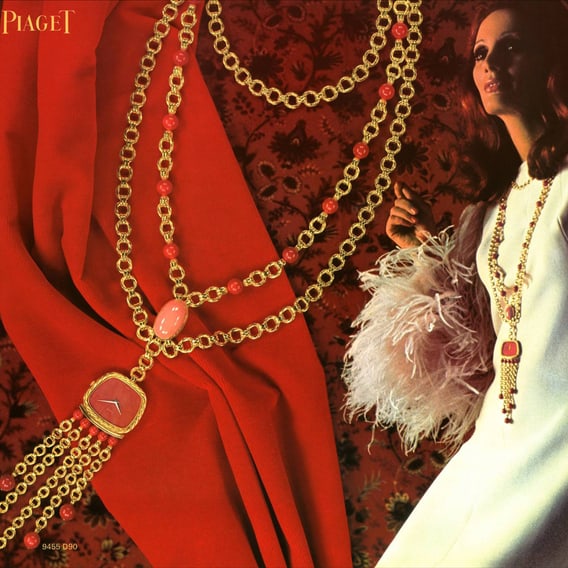
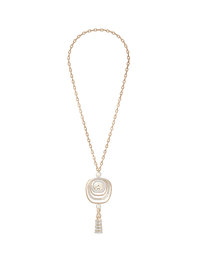
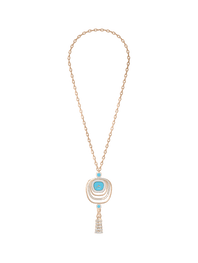
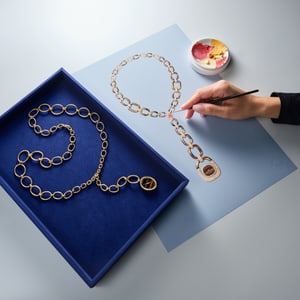
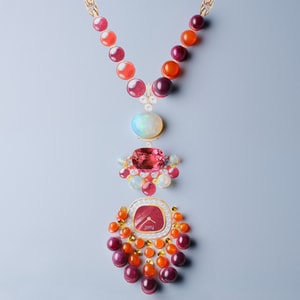
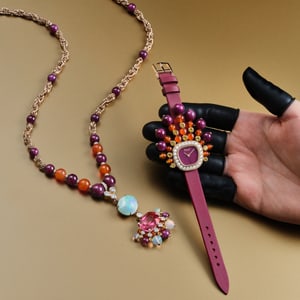
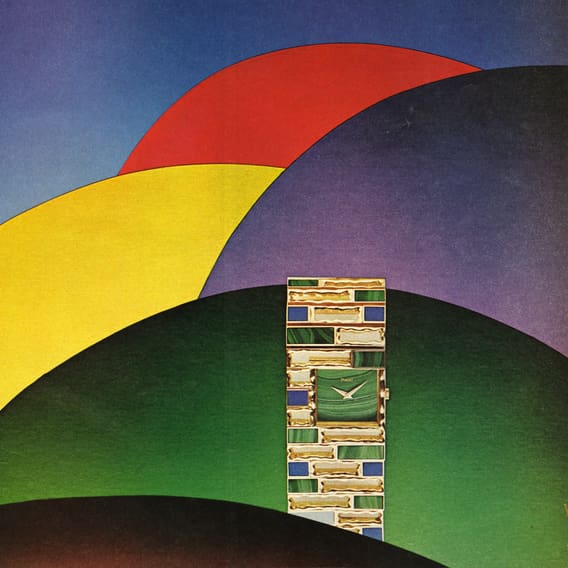
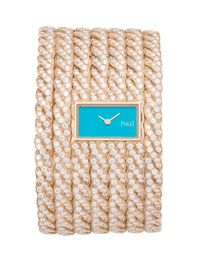
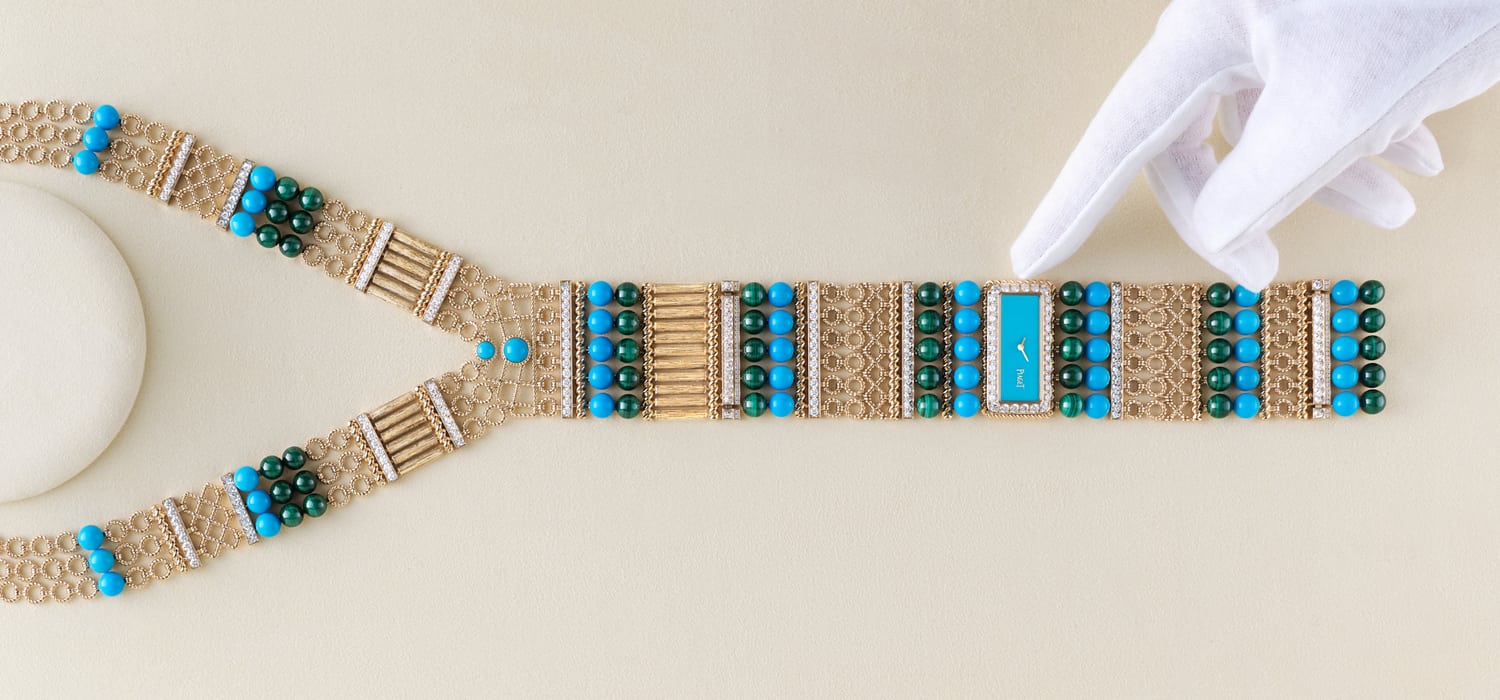
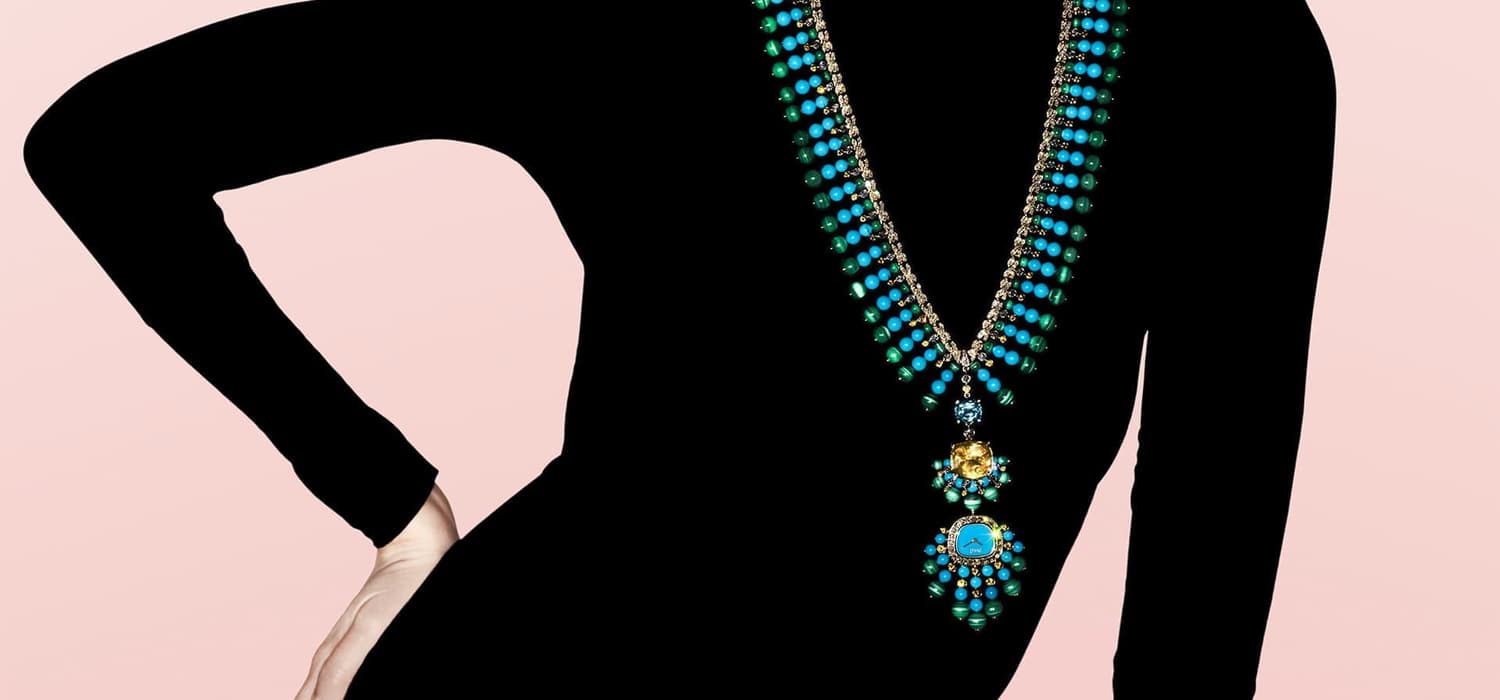
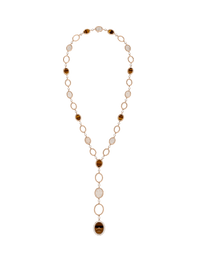
In 1969 Piaget became a legend. With the launch of the “21st Century Collection”, it took the watchmaking world by surprise. It was a collection only composed of watch sautoirs and cuff watches. It was a manifesto, a revolution. It was a new way to read time. Worn languidly, layered up as necklaces or belts, swishing from side to side as their wearers sauntered, the sautoirs became known as Swinging Sautoir.

The dramatic watches in the 21st century collection were hailed in the press as the watches ‘of the international elite.’ It catapulted Piaget into a league of its own, with the creation of the Piaget Society in which a forward-looking clientele consisting of the glamorous, wealthy jet-set of the time. 
Cuff watches

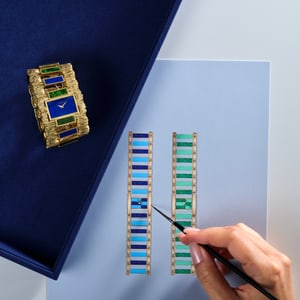
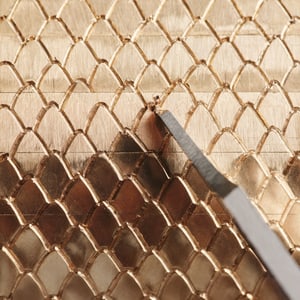
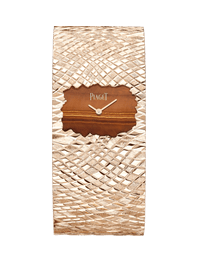
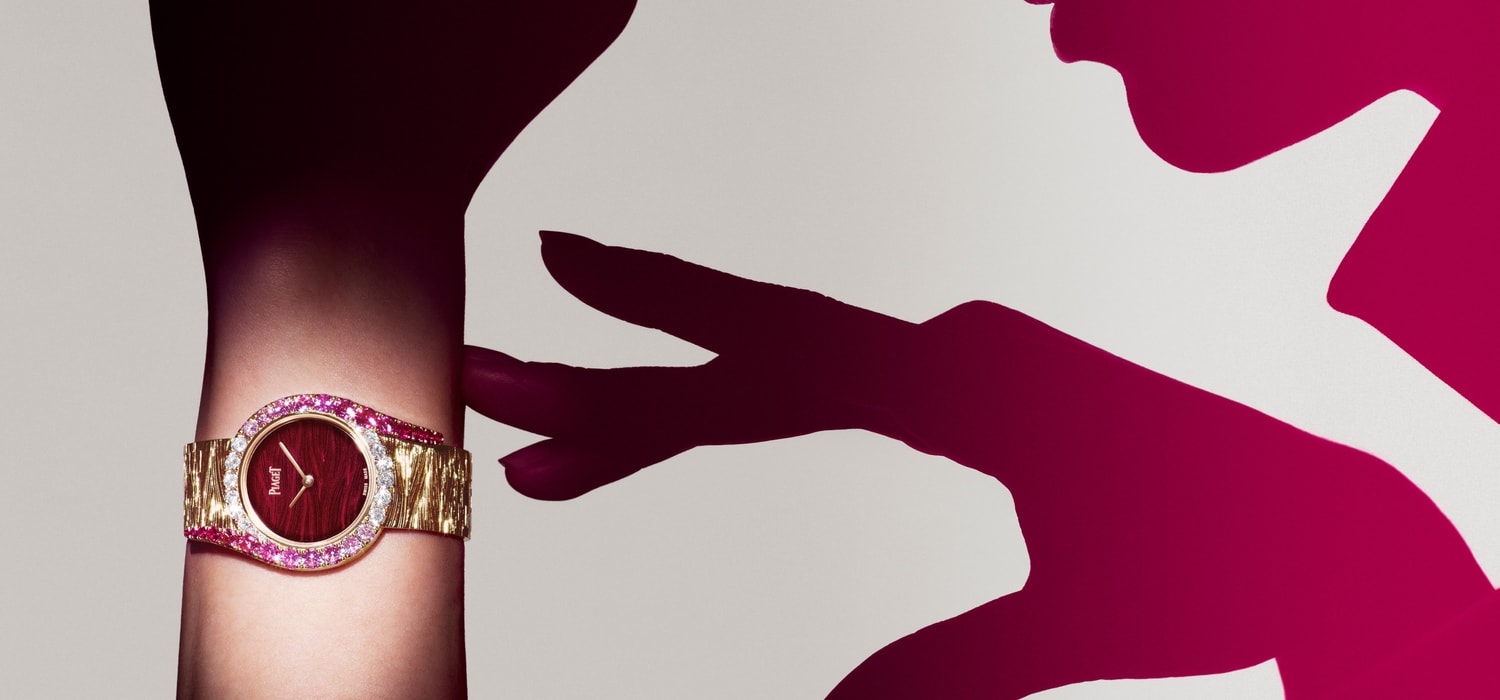
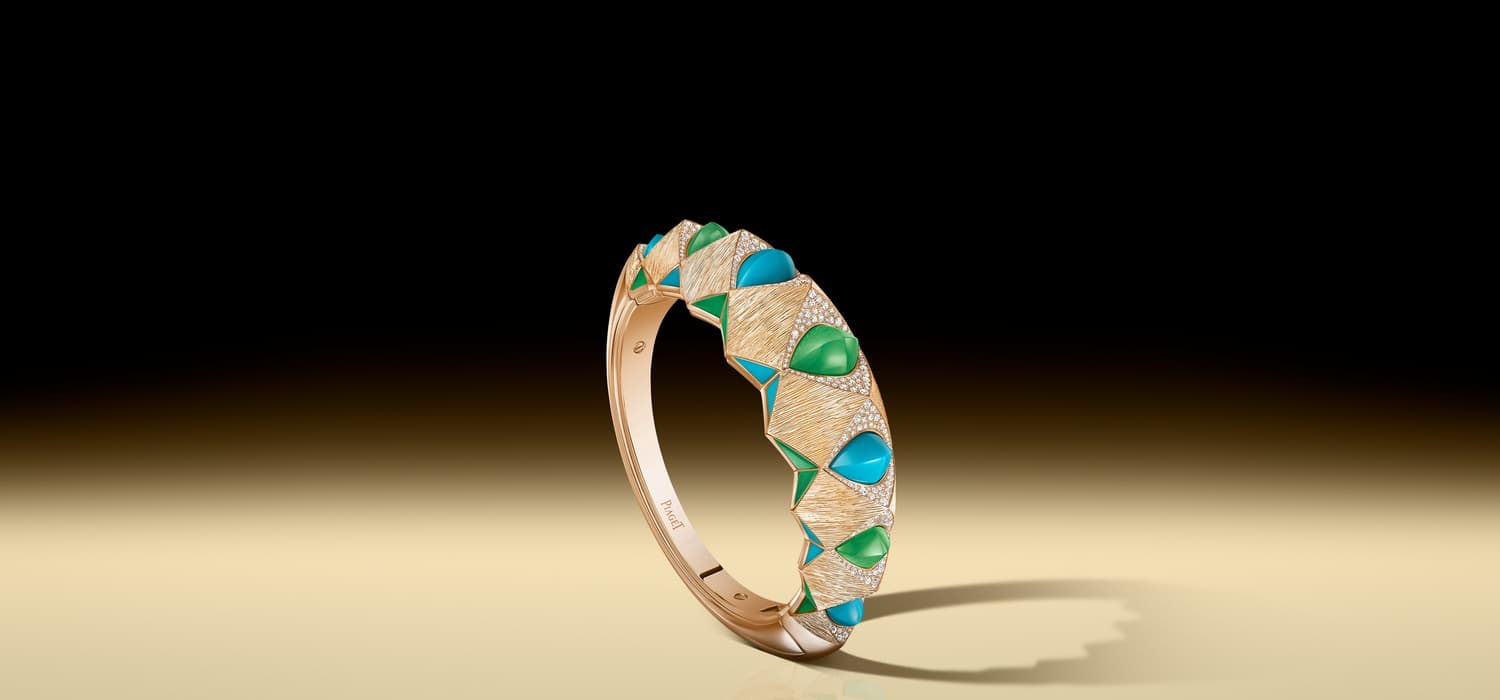
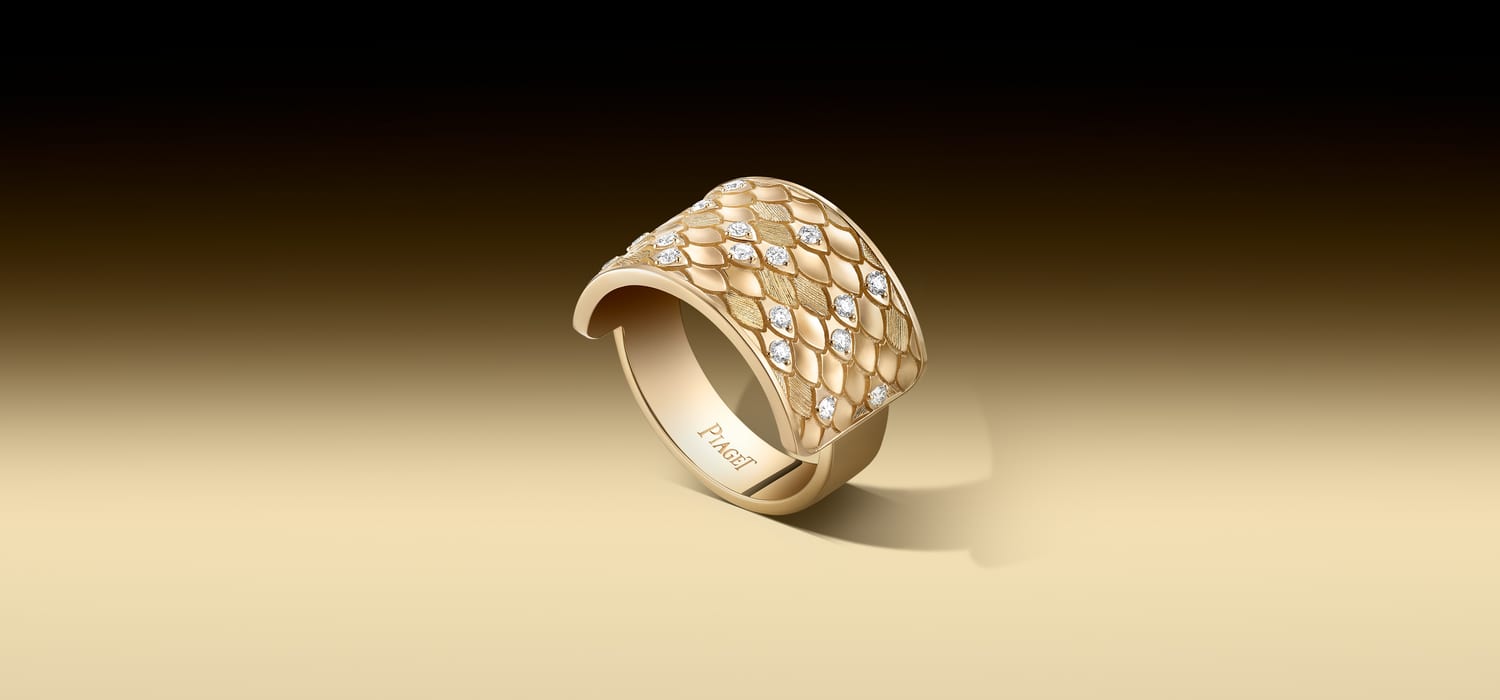
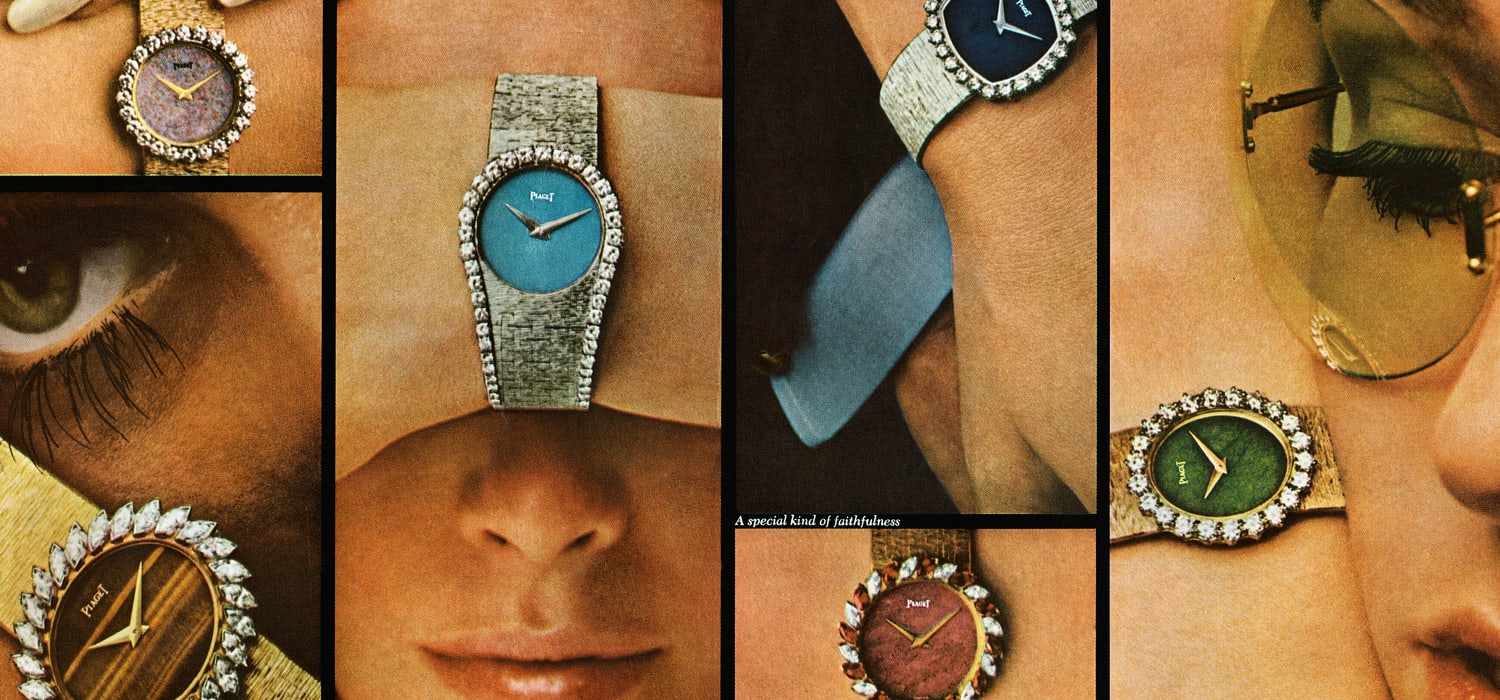
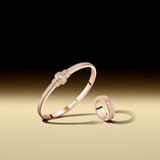
1969 also saw the introduction of the cuff watch, a boldly-scaled style that only continued to grow in exuberance and extravagance in terms of size and materials: deep cuffs of graphic gold openwork, heavily textured gold bracelets and vibrant coloured dials.
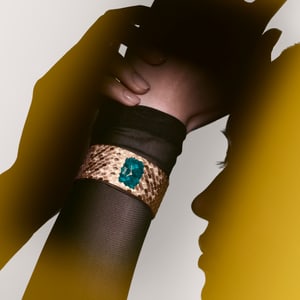
In 2023, the Grand Prix d’Horlogerie de Genève has chosen to recognize Piaget’s expertise and bold creativity in the Ladies category with this signature cuff watch.

Cuff watches

1969 also saw the introduction of the cuff watch, a boldly-scaled style that only continued to grow in exuberance and extravagance in terms of size and materials: deep cuffs of graphic gold openwork, heavily textured gold bracelets and vibrant coloured dials.

Our Creations
ESSENCE OF EXTRALEGANZA

SWINGING SAUTOIRS AND CUFF WATCHES: PIAGET’S JEWELRY AUDACITY

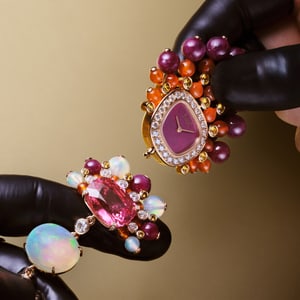
Swinging sautoir watches and cuff watches occupy a singular place in Piaget’s history. They embody a free-spirited, avant-garde vision of the High Jewelry watch, in which time is worn, moves with the body, and is constantly reimagined. More than simple timepieces, these creations are conceived as jewelry in their own right—expressions of an art of living liberated from traditional watchmaking conventions.

At Piaget, this creative audacity is rooted in exceptional watchmaking mastery, combined with a keen sensitivity to form, material, and movement. Swinging sautoirs watches and cuff watches thus reflect an approach in which watchmaking becomes a fully realized field of jewelry expression.

THE ORIGINS OF A WATCHMAKING AND JEWELRY REVOLUTION

To understand the emergence of these emblematic creations, one must look back to 1957, with the introduction of the 9P caliber, the first ultra-thin hand-wound mechanical movement developed by Piaget. A true revolution in its time, this movement paved the way for a new way of conceiving the watch, freed from constraints of volume.

The bold decision to reserve these ultra-thin movements for watches crafted in precious metals quickly established the Maison as a master in two realms: luxury watchmaking and High Jewelry. This dual expertise enabled Piaget to explore unprecedented forms, in which the movement recedes in favor of design, without ever compromising precision.

THE BIRTH OF SWINGING SAUTOIR WATCHES

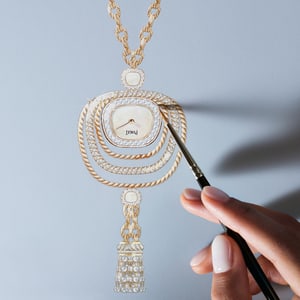
In the late 1960s, under the impetus of Valentin Piaget, the Maison took a decisive step forward. The creative studio opened its doors to designers from the world of jewelry, inviting them to draw inspiration from Parisian haute couture. Spontaneous sketches, daring shapes, and unexpected material combinations gave rise to a new generation of watches.

In 1969, the 21st Century collection made history. Composed exclusively of swinging sautoir watches and cuff watches, it proposed a radically new way of reading time. Worn as layered necklaces, belts, or freely swinging with movement, swinging sautoirs transform time into a living, fluid, and resolutely modern accessory.

CUFF WATCHES: JEWELRY SCULPTURES FOR THE WRIST

At Piaget, the cuff watch is defined by a bold jewelry approach: a wide, rigid bracelet conceived like a cuff, enveloping the wrist and integrating the dial at the heart of its composition. The wrist becomes a space for artistic expression, where the dial—sometimes discreet, sometimes fully integrated into the overall design—forms part of a singular composition.

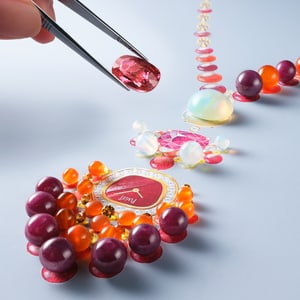
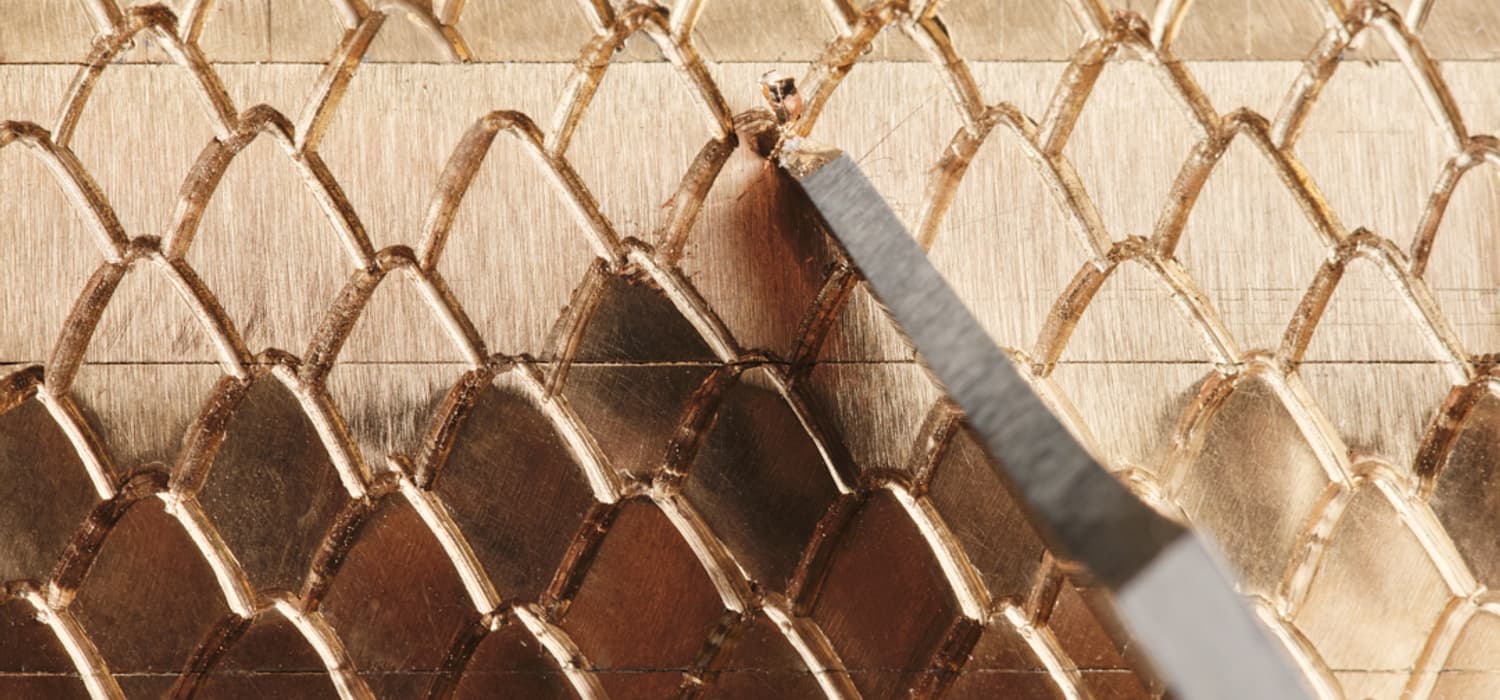
Thanks to its in-house teams of goldsmiths, jewelers, and engravers, as well as its own gold foundry, Piaget masters every stage of creation. This autonomy allows for complete formal freedom, giving rise to cuff watches with strong, instantly recognizable identities.

AN ICON OF FREEDOM AND AVANT-GARDE SPIRIT

Even today, creations from the 21st Century collection remain symbols of freedom, boldness, and creativity. Through them, Piaget reaffirms a unique vision of the High Jewellery watch: an object in motion, designed to be worn with ease, elegance, and a sense of spirit.

Subscribe to the Piaget newsletter
Join the Piaget community to receive exclusive updates on our latest creations, upcoming events, and behind-the-scenes stories from the Maison.

)